







































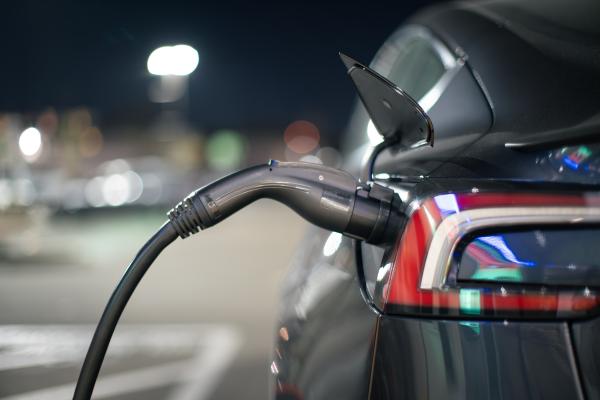
Proposed EV pay-per-mile charge not a viable long-term solution, warns ATT
The proposed new vehicle Excise Duty for electric and plug-in hybrid vehicles is not a long-term replacement for declining fuel duty revenues in its current form, says the Association of Taxation Technicians (ATT).
Responding to a consultation on plans for the electric Vehicle Excise Duty (eVED),1 the ATT says that while reform is clearly needed, the current proposal is unlikely to provide a durable long-term fix or encourage motorists to make the switch to electric vehicles before the sale of new petrol and diesel vehicles is phased out by 2030.
Fuel duty currently raises significant revenue for the Exchequer, though the increasing transition to electric vehicles is expected to erode this over time. Figures released today2 show fuel duty raised less than £2.1 billion in February 2026, the lowest February total since 2021, during the Covid-19 pandemic.
The Association warns that the current proposals have several issues, including:
- Applying a new charge only to electric vehicles and plug-in hybrids could slow the uptake of these more eco-friendly vehicles
- A flat per-mile rate does not reflect differences in vehicle weight, efficiency or usage, weakening incentives to choose more efficient vehicles
- The new system could introduce significant administrative complexity for motorists, fleet operators, leasing businesses and MOT centres
- Introducing the charge before addressing challenges with charging infrastructure, particularly cost and access for those without off-street parking, risks unfair outcomes
- The proposed arrangements relating to the sale or transfer of a vehicle to a new owner or keeper should be revised to ensure that the eVED is paid by the motorist travelling the miles, as well as avoiding distortions in the second hand EV market
Rather than focusing solely on EVs, the ATT argues that a more comprehensive approach, such as a mileage-based system applying to all vehicles, could provide a more stable long-term solution.
Jon Stride, chair of the ATT’s Technical Steering Group, said:
“The shift away from petrol and diesel means fuel duty revenues are in long-term decline, and the need to replace them is becoming increasingly urgent.
“However, the proposed EV charge, in its current form, is not a viable long-term solution and has a number of issues, which could even disincentivise motorists from moving to electric vehicles.
“A broader approach is needed, and we urge the Government to reconsider the design and scope of eVED to ensure that it is fair, proportionate, and aligned with long-term policy objectives, without adding unnecessary complexity.”
Notes: