







































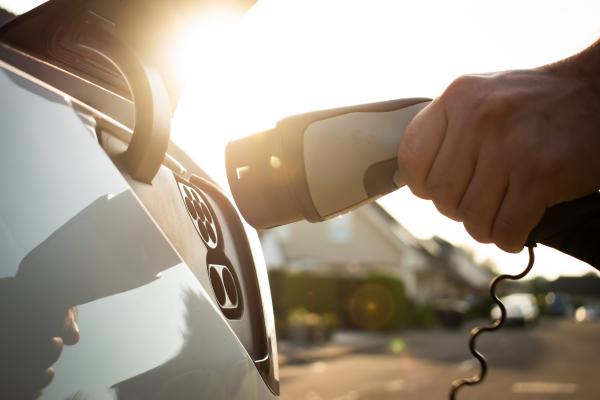
Finance Bill 2026-27 briefing: taxation of electric vehicle charging
ATT's briefing has raised concerns that changes to the VAT treatment of electric vehicle charging in Clause 52 of Finance Bill 2026-27 could disadvantage motorists who cannot charge their vehicles at home.
Clause 52 provides that electricity supplied through public electric vehicle charging points, or charging points available to employees at workplaces, will not be treated as supplied for domestic use. This means that electricity supplied through these charging points will be subject to the standard 20% rate of VAT rather than the 5% reduced rate, or the temporary zero rate applying to domestic electricity.
The measure follows the First-tier Tribunal decision in Charge my Street Ltd [TC/2024/01983], which found that the reduced rate could apply to electricity supplied through public charging points in certain circumstances. Clause 52 effectively overrides that decision and places HMRC’s existing interpretation on a statutory footing.
The ATT is concerned that the measure particularly disadvantages motorists without access to home charging, such as people living in flats or relying on street parking. It also appears at odds with the Government’s wider aims of encouraging electric vehicle adoption and reducing the cost of public charging.
The measure comes alongside other increasing tax costs affecting electric vehicles. Rather than addressing these through individual tax changes, the ATT is calling for a wider strategic review of motoring taxation, including consideration of how falling fuel duty revenues should be replaced as motorists move towards electric and more fuel-efficient vehicles.